What is Fire Mitigation, Really?
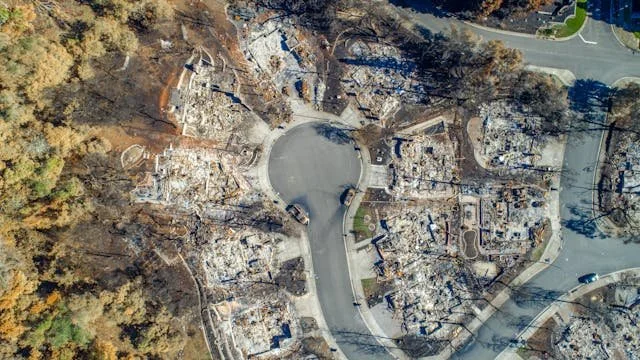
The question for property owners is no longer if a fire will threaten the area, but when.
This isn’t meant to be alarmist; it’s a call to action. The single most effective tool you have to protect your home, your family, and your investment is fire mitigation. It’s not a suggestion anymore—it's a fundamental responsibility of living in California.
What is Fire Mitigation, Really?
First, let's clear something up: fire mitigation doesn't mean you can stop a wildfire from starting. That's a different challenge. Mitigation is the proactive work of reducing your property's vulnerability to fire.
Think of it like earthquake-proofing your home’s foundation or securing it against a hurricane. It's about making your home and the surrounding landscape a much tougher target for an approaching fire. It boils down to two critical pillars:
Creating Defensible Space: Managing the vegetation in zones around your home.
Home Hardening: Addressing the most vulnerable parts of your home's structure.
Why This Matters More Than Ever
The landscapes that make California so beautiful are changing. A combination of climate change, historic drought, and a century of fire suppression has created the perfect storm.
The New Normal: Hotter temperatures and less rain mean our hillsides are dryer for longer. What was once green brush is now abundant fuel.
The Wildland-Urban Interface (WUI): More and more homes are being built in or near wildland areas. This creates a direct line for fire to move from forest to structure.
The Insurance Crisis: Insurance companies are paying closer attention than ever. Homes without documented mitigation efforts are facing exorbitant premium hikes or, worse, non-renewal of their policies. Taking action isn't just about safety; it's about financial survival.
The Two Pillars of Protection: Your Action Plan
Feeling overwhelmed? Don't be. Fire mitigation is a manageable, step-by-step process. Here’s how to get started.
Pillar 1: Your Defensible Space Zones
The goal of defensible space is to slow a fire down and give firefighters a safe place to work. California law requires 100 feet of defensible space, but break it down into manageable zones.
Zone 0: The Ignition-Resistant Zone (0-5 feet from your home) This is the most critical zone. Embers are the primary enemy, and they love to land in this area. Your goal here is to create a non-combustible buffer. Reduce the possibility of ignitions by removing any combustible mulch.
Remove all dead plants, dried leaves, pine needles, and weeds. Be sure to check under decks or porches.
Replace any bark or wood mulch with gravel, rocks, or concrete.
Move firewood, construction materials, flammable patio furniture, and doormats away from the house.
Trim tree branches so they are at least 10 feet from your chimney or roof.
Zone 1: The Lean, Clean, and Green Zone (5-30 feet) The goal here is to create a "fuel break."
Reduce potential flame contact with propane tanks by removing vegetation and combustible items within a 10-foot radius of the tank.
Remove all dead and dying vegetation.
Space trees and shrubs to prevent fire from "crowning" or spreading through the tops. A good rule of thumb is to ensure canopies are at least 10 feet apart.
Trim low-hanging branches on mature trees up to 6-10 feet from the ground to eliminate "ladder fuels" that can carry fire from the ground into the trees.
Keep grass mowed to a maximum height of 4 inches.
Contact your electric utility to remove any branches in contact with power lines.
Zone 2: The Reduced Fuel Zone (30-100 feet) Here, the goal is to reduce the intensity of an approaching fire.
Thin out smaller trees and shrubs, leaving larger, healthier trees more spaced out.
Remove heavy accumulations of woody debris, fallen leaves, and branches.
Cut down dead trees and remove them from the property.
Pillar 2: Hardening Your Home
Remember the embers? They can travel miles ahead of a fire. Home hardening is about sealing every potential entry point for those wind-blown sparks.
Roof: This is your home's most vulnerable surface. A Class A fire-rated roof (tile, metal, composition shingle) is essential.
Vents: Embers can be sucked into your attic through vents. Install 1/8-inch metal mesh screening on all attic, eave, and foundation vents.
Gutters: This is a classic ember trap. Keep them cleared of all leaves and needles. Consider installing metal gutter covers.
Windows & Siding: Dual-pane windows provide better protection. Repair or replace any cracked siding.
Decks & Patios: Never store flammable materials underneath a deck. Ensure the area below is clear of vegetation. Choose non-combustible patio furniture and covers.
Garage: Seal any gaps or openings around doors and windows to prevent embers from getting inside.
It Takes a Village: Get Help and Get Involved
You don’t have to do this alone. There are incredible resources available.
Your Local Fire Department: Many offer free defensible space inspections. They can walk your property with you and provide personalized recommendations.
CAL FIRE & Resource Conservation Districts: These agencies have a wealth of knowledge and sometimes offer grant programs for vegetation removal.
Firewise USA®: This national program encourages neighbors to work together to reduce wildfire risk. A fire-adapted community is a safer community.
Your Call to Action
Fire mitigation can feel like a daunting task, but every single step you take matters. It is a powerful investment in your safety, your financial security, and your community's resilience. In California, living with fire is our reality. But by taking control and hardening our homes, we ensure that we are living alongside fire, not at its mercy.
RESOURCES:
Our Agency was joined by Frontline Wildfire Defense at the Palisades Recovery Network symposium in October and provided valuable information regarding wildfire protection for homes and businesses in the community. To learn more, please visit: https://www.frontlinewildfire.com/