One Year After the Malibu, Pacific Palisades, and Eaton Fires
Lessons Learned and the Evolving Insurance Landscape
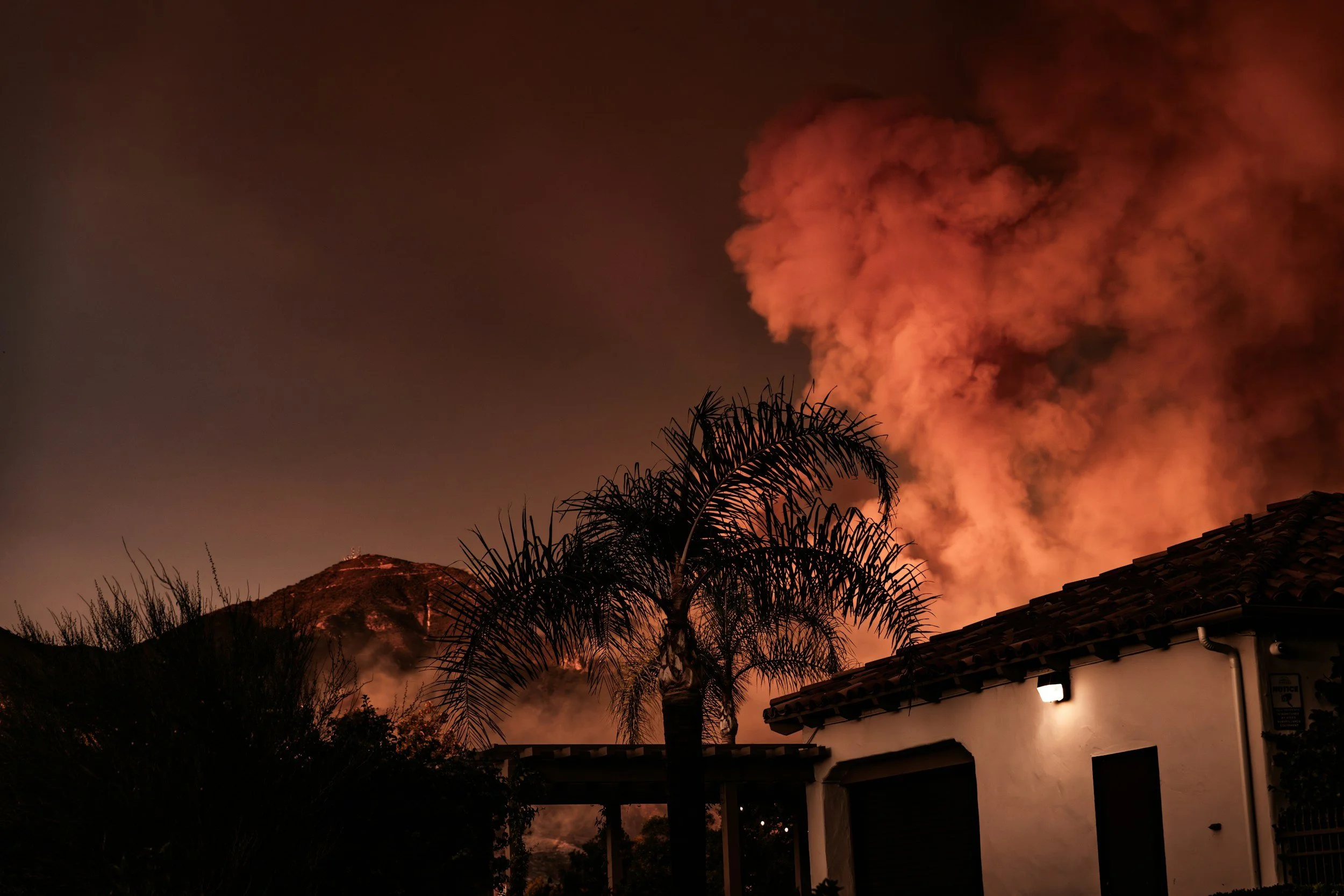
A year has passed since the devastating wildfires swept through Southern California, leaving a trail of destruction and forcing communities to confront the harsh realities of climate-driven disasters. These fires, part of an increasingly severe wildfire season in the Golden Station, highlighted vulnerabilities in risk preparedness and reshaped the insurance industry’s approach to fire-prone regions. As we reflect on the lessons learned and the transformations in insurance practices, it’s clear that both residents and insurers are navigating a new era of resilience and adaptation.
Lessons Learned from the Fires
Community Preparedness and Response
The 2025 fires underscored the critical importance of proactive community planning. While evacuation efforts improved upon past responses—such as better communication via apps and local alerts—many residents emphasized the need for more frequent drills and accessible escape routes. Community wildfire protection plans (CWPPs) have gained traction, with local governments partnering with organizations to clear vegetation and create defensible spaces around homes.Infrastructure and Building Standards
The destruction of so many homes revealed gaps in building resilience. In the aftermath, counties like Los Angeles have updated codes to mandate fire-resistant materials, such as non-combustible roofing and impact-resistant windows. Retrofitting older homes with such features is now encouraged, with some municipalities offering rebates to offset costs.Climate Change and Environmental Factors
The fires served as a stark reminder of the role of climate change in exacerbating fire risk. Prolonged droughts, higher temperatures, and erratic weather patterns have turned Southern California into a hotspot for wildfires. This has shifted public discourse toward systemic solutions, including increased funding for forest management and reduced greenhouse gas emissions.
How the Insurance Industry Has Changed
Risk Assessment and Technology
Insurers are now leveraging advanced tools like satellite imagery, AI-driven climate models, and historical fire data to assess property-specific risks. Parametric insurance products, which provide rapid payouts based on predefined triggers (e.g., “red flag” warnings), are also gaining popularity.Policy Changes and Premium Adjustments
High-risk areas have seen a surge in premiums and stricter policy terms. For example, some insurers now require a minimum 100-foot defensible space around properties or charge higher rates for homes near critical infrastructure like power lines. Conversely, policyholders who adopt fire-resistant upgrades can be eligible for discounts, incentivizing proactive measures.Equity and Accessibility
The fires exposed disparities in insurance access, as lower-income residents in fire-prone areas often cannot afford rising premiums. In response, advocates have pushed for subsidies or public-private partnerships to bridge this gap. Some insurers are experimenting with micro-insurance options tailored to affordability.
Looking Ahead: Resilience in Uncertain Times
The Malibu, Pacific Palisades, and Eaton fires have left a lasting legacy, forcing a reckoning with the realities of living in a climate-vulnerable world. While the insurance industry continues to grapple with balancing affordability and risk, the focus on resilience—both in policy and infrastructure—offers hope. For now, the path forward demands collaboration: between communities, governments, and insurers, to build a future where natural disasters no longer equate to insurmountable loss.
As Southern California enters the next fire season, the lessons of 2025 serve as a foundation for stronger, more adaptive communities. The insurance industry, evolving in tandem with these changes, is not just a responder to disasters but a key player in shaping a resilient future. The road ahead is fraught with challenges, but with innovation and shared responsibility, the goal of mitigating wildfire risk is within reach.